Reading and language arts
The best homeschool reading programs for different needs
Reading products solve different problems. A phonics curriculum, fluency intervention, book library and writing program are not interchangeable—even when each promises better literacy.
By Homeschool Best editors · Updated September 1, 2026 · 9 min read
The short answer
All About Reading is the strongest structured parent-led phonics choice in this set; Logic of English offers a broader and denser language system; Nessy is a useful specialist supplement for dyslexia-related practice; Reading Eggs provides lower-prep digital practice; Brave Writer and Night Zookeeper are better treated as writing choices than learn-to-read programs.
How we chose
We separated decoding, fluency, comprehension and writing before comparing products. We also considered parent instruction, screen dependence, specialist claims and whether recurring costs apply per student.
Our picks
1

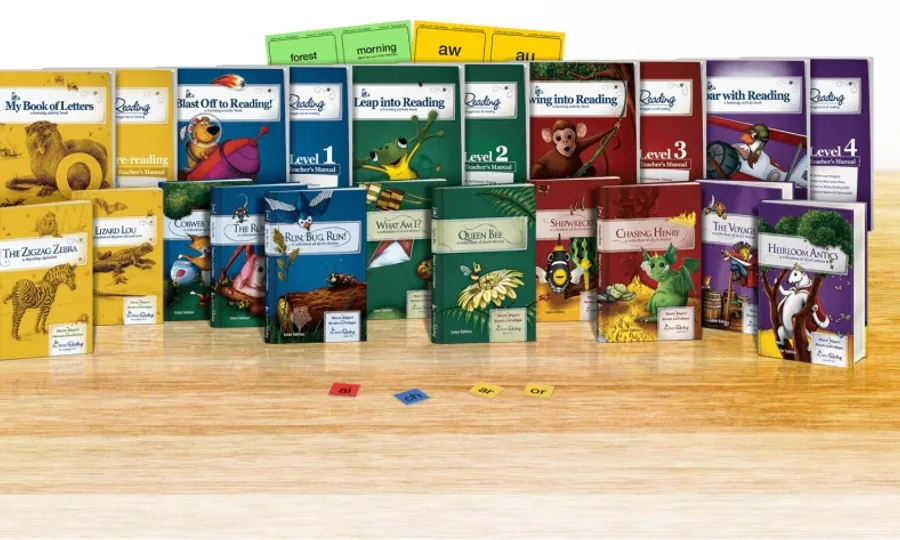
All About Reading
Best structured phonics program
- Best for
- Parents wanting explicit, incremental lessons with cards, readers and hands-on practice.
- Watch for
- It requires regular adult teaching and management of many physical components.
- Price
- $160-$200 per level plus reusable reading kit
2

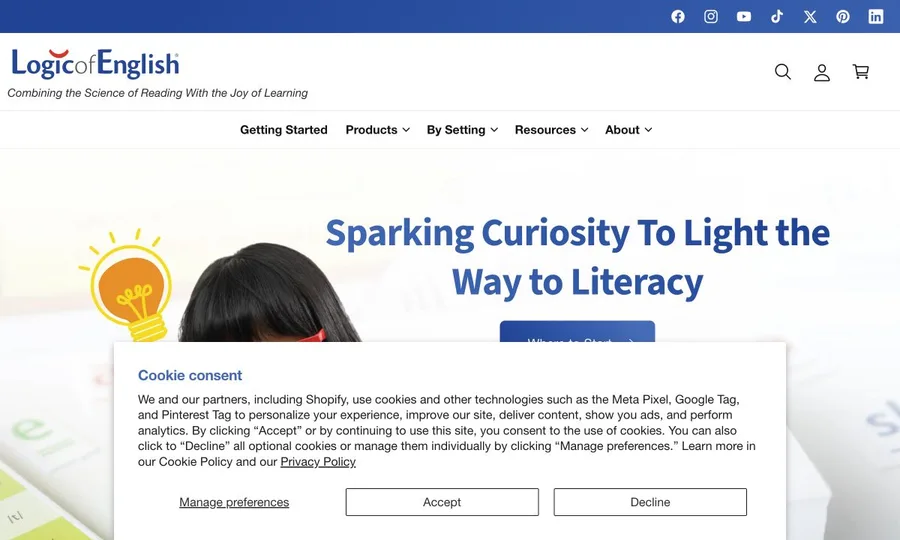
Logic of English
Best comprehensive language system
- Best for
- Families who want phonograms, spelling, handwriting and grammar taught as a connected system.
- Watch for
- The depth and teacher preparation can feel heavy if the family wants a simple open-and-go reader.
- Price
- $150-$300 per level depending bundle
3
Nessy
Best specialist digital supplement
- Best for
- Learners who benefit from structured multisensory spelling and reading practice, including many dyslexic students.
- Watch for
- An app is not a diagnosis or a complete individualized intervention.
- Price
- $150-$200/year for home literacy bundles
4

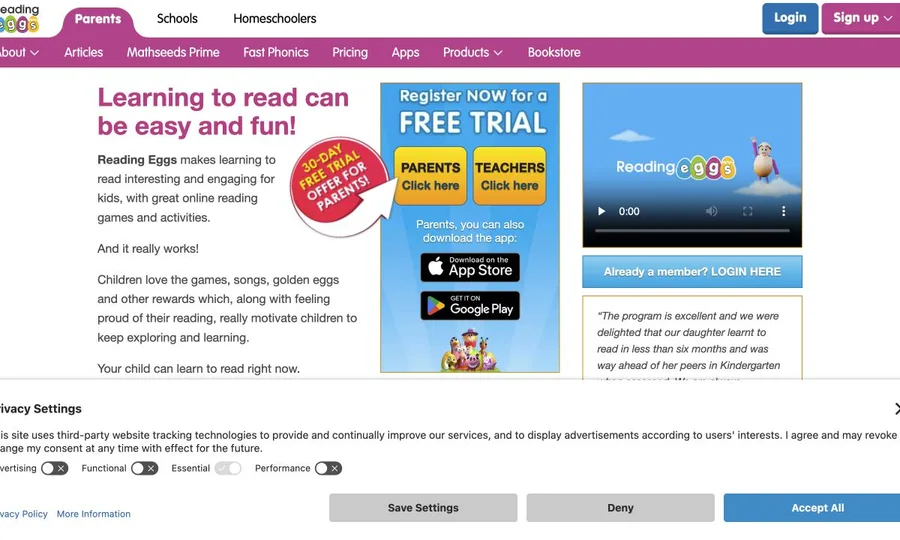
Reading Eggs
Best independent early-reading practice
- Best for
- Younger children who engage with short gamified phonics and reading activities.
- Watch for
- Rewards can overshadow transfer to real books; parents should still listen to the child read.
- Price
- $10-$15/month or about $100/year
5
Learning A-Z
Best leveled reading library
- Best for
- Parents who need many printable or digital texts across levels and subjects.
- Watch for
- The large catalog can create planning work and does not itself provide a complete teaching sequence.
6

IEW
Best highly structured writing instruction
- Best for
- Learners who need explicit models and repeatable structure for composing paragraphs and essays.
- Watch for
- The formulaic approach and parent training are not a fit for every voice or household.
- Price
- $150-$300 for many year-long kits; classes extra
7
Brave Writer
Best relationship-centered writing approach
- Best for
- Families wanting literature, conversation and lower-pressure writing routines.
- Watch for
- Parents seeking a conventional scope-and-sequence may find it too loose.
- Price
- $15-$30/month membership or $100-$300+ classes/products
8

Night Zookeeper
Best gamified creative-writing practice
- Best for
- Children motivated by imaginative prompts, characters and regular online writing.
- Watch for
- It supplements rather than replaces systematic composition and grammar teaching.
- Price
- $10-$15/month; annual plan discounted
Identify the literacy job first
A child who cannot decode unfamiliar words needs different teaching from a fluent reader who avoids writing. Before comparing brands, name the bottleneck: phonemic awareness, phonics, fluency, vocabulary, comprehension, spelling or composition.
A broad language-arts bundle can be convenient, but convenience is not a reason to keep using a weak component. Many strong homeschool setups deliberately combine a decoding program with separate read-alouds and writing.
Specialist language deserves specialist evidence
Terms such as structured literacy, multisensory and dyslexia-friendly are useful starting points, not proof that a product will remediate a particular learner. Persistent difficulty deserves professional assessment and instruction matched to the child, not a longer subscription list.
Keep real books in the loop
Digital practice can create repetition and immediate feedback. It cannot show by itself whether a child reads connected text with accuracy, expression and understanding. Ask the child to read aloud, retell, predict and discuss material away from the app.
Common questions
Is a reading app enough to teach a child to read?
Usually not on its own. Apps can provide useful practice, but most beginning readers benefit from explicit instruction, real-book reading and an adult noticing errors.
Which program is best for dyslexia?
Needs vary. Look for explicit, cumulative instruction and qualified guidance. Nessy and structured phonics products may help, but no directory review replaces individualized assessment.
Can reading curricula be reused for siblings?
Instructor guides and many readers can often be reused; consumables, online seats and student materials may need repurchasing. Check the pricing model on each profile.