
Science and STEM
The best homeschool science kits for real hands-on learning
The best kit is not the box with the most pieces. It is the one that connects a memorable experiment to an explanation your child can use again.
By Homeschool Best editors · Updated September 1, 2026 · 8 min read
The short answer
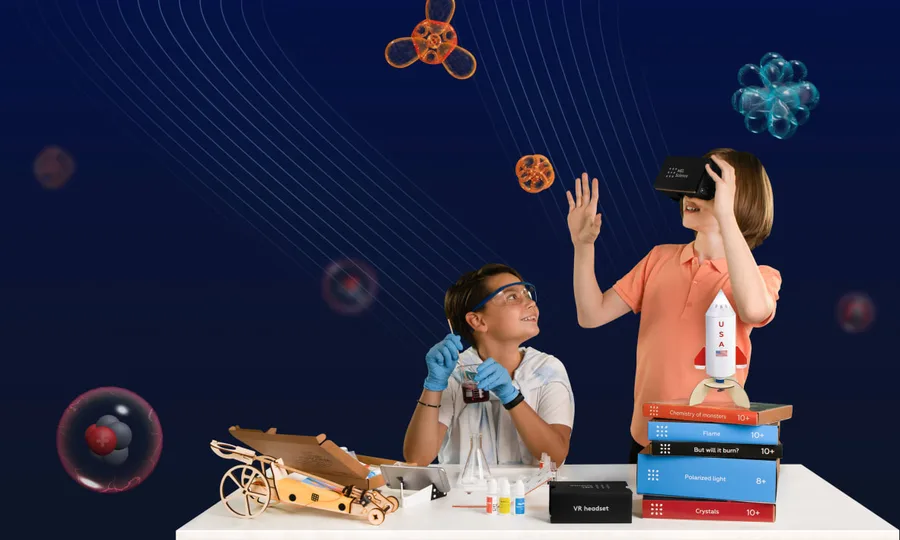
MEL Science offers the strongest subscription-style experiment experience; Home Science Tools is better for families assembling a full lab or curriculum-specific materials; CrunchLabs excels at engineering excitement; CircuitMess is the more focused electronics and coding choice; Generation Genius and Mystery Science are useful lesson-plus-activity platforms rather than shipped kit subscriptions.
How we chose
We compared the instructional explanation, included materials, adult setup, recurring cost and whether the product is a kit, supplier or digital lesson platform. We did not treat visual excitement as proof of curriculum depth.
Our picks
1

MEL Science
Best experiment subscription
- Best for
- Families wanting polished recurring experiments with app-supported explanations.
- Watch for
- Subscriptions accumulate, adult supervision matters and the sequence may not match a chosen curriculum.
- Price
- $30-$45/month by kit line
2

Home Science Tools
Best lab supplier and curriculum kits

- Best for
- Parents who need dependable equipment, specimens or materials matched to a science course.
- Watch for
- A materials box is only as strong as the teaching plan around it.
- Price
- $20-$400+ per kit/course package
3

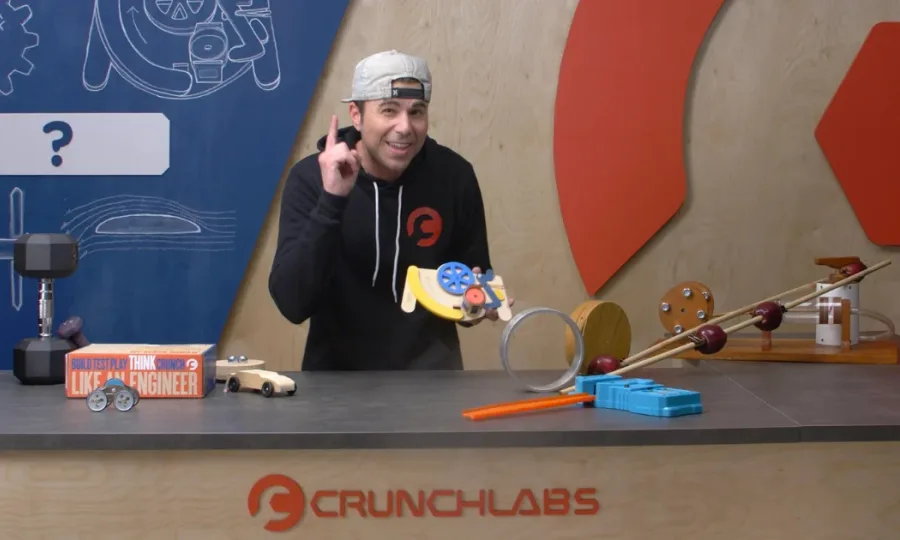
CrunchLabs
Best engineering excitement
- Best for
- Children motivated by building mechanisms and seeing engineering principles move.
- Watch for
- Premium pricing and entertainment-led presentation; connect builds to a broader sequence if using it as science study.
- Price
- $25-$35/month billed in multi-month terms
4

CircuitMess
Best electronics and coding builds
- Best for
- Older children ready to assemble devices and work through hardware/software concepts.
- Watch for
- Fine-motor demand, troubleshooting and device compatibility can require substantial adult help.
- Price
- $50-$200 per kit; subscriptions and bundles vary
5

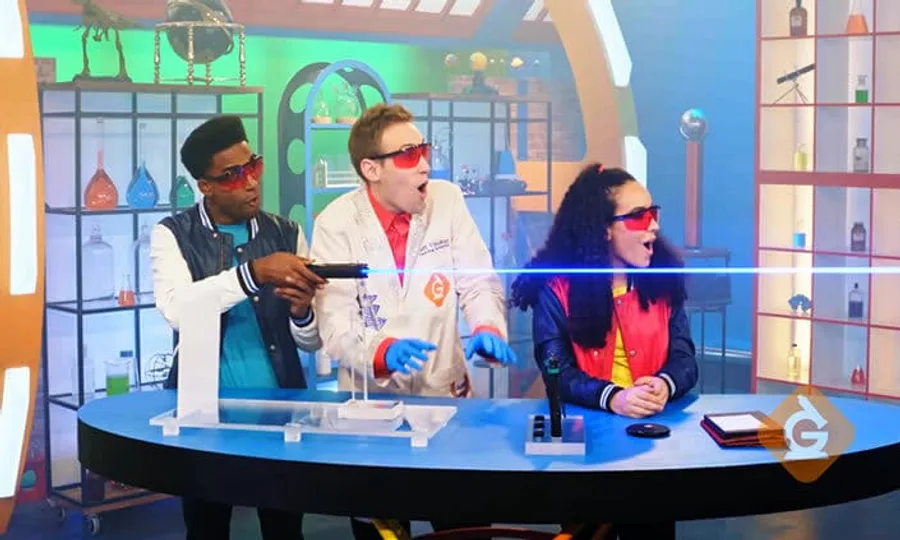
Generation Genius
Best video-plus-activity supplement
- Best for
- Elementary and middle-grade families wanting concise visual explanations and printable activities.
- Watch for
- It supplements rather than replaces a coherent lab-rich science curriculum.
- Price
- $95-$180/year by plan
6

Mystery Science
Best low-prep guided investigations

- Best for
- Parents who want an inquiry question, clear lesson flow and manageable hands-on extension.
- Watch for
- Materials are not always completely included and available depth varies by topic.
- Price
- $100-$150/year for individual/home access when offered
Kit, curriculum or supplier?
A subscription kit optimizes for a satisfying project. A curriculum organizes concepts over time. A supplier solves the practical problem of finding materials. Decide which of those jobs you need before comparing boxes.
A child can learn a great deal from one build when the parent pauses for prediction, measurement, explanation and a second application. Without that conversation, the same build may remain a craft.
Count preparation honestly
“Everything included” rarely includes water, common tools, cleanup, charging, an available device and an adult who has read the instructions. Check the materials list and failure recovery before promising an independent activity.
ESA rules often operate at item level
States may distinguish educational supplies, curriculum materials, technology and ordinary toys. A brand listing or broad supplies rule does not prove every subscription box or replacement component qualifies. Preserve the product description and instructional purpose when documentation is required.
Common questions
Are science kits a complete curriculum?
Usually not. Some course-specific kits are designed to accompany a curriculum, while subscription boxes generally provide standalone projects.
Which science kit is best for multiple children?
Look for reusable equipment and enough consumables for siblings to participate. A single-build kit may require duplicate purchases.
Will ESA funds cover STEM kits?
Some programs permit instructional supplies or curriculum-linked kits, often with item-level conditions. Check the exact state category rule and seller route.